The Office Device Help Card: Describe the Machine Before the Problem
A note saying "the printer is wrong" leaves the next person guessing. A simple descriptive card gives an ordinary office device a recognizable name and context.

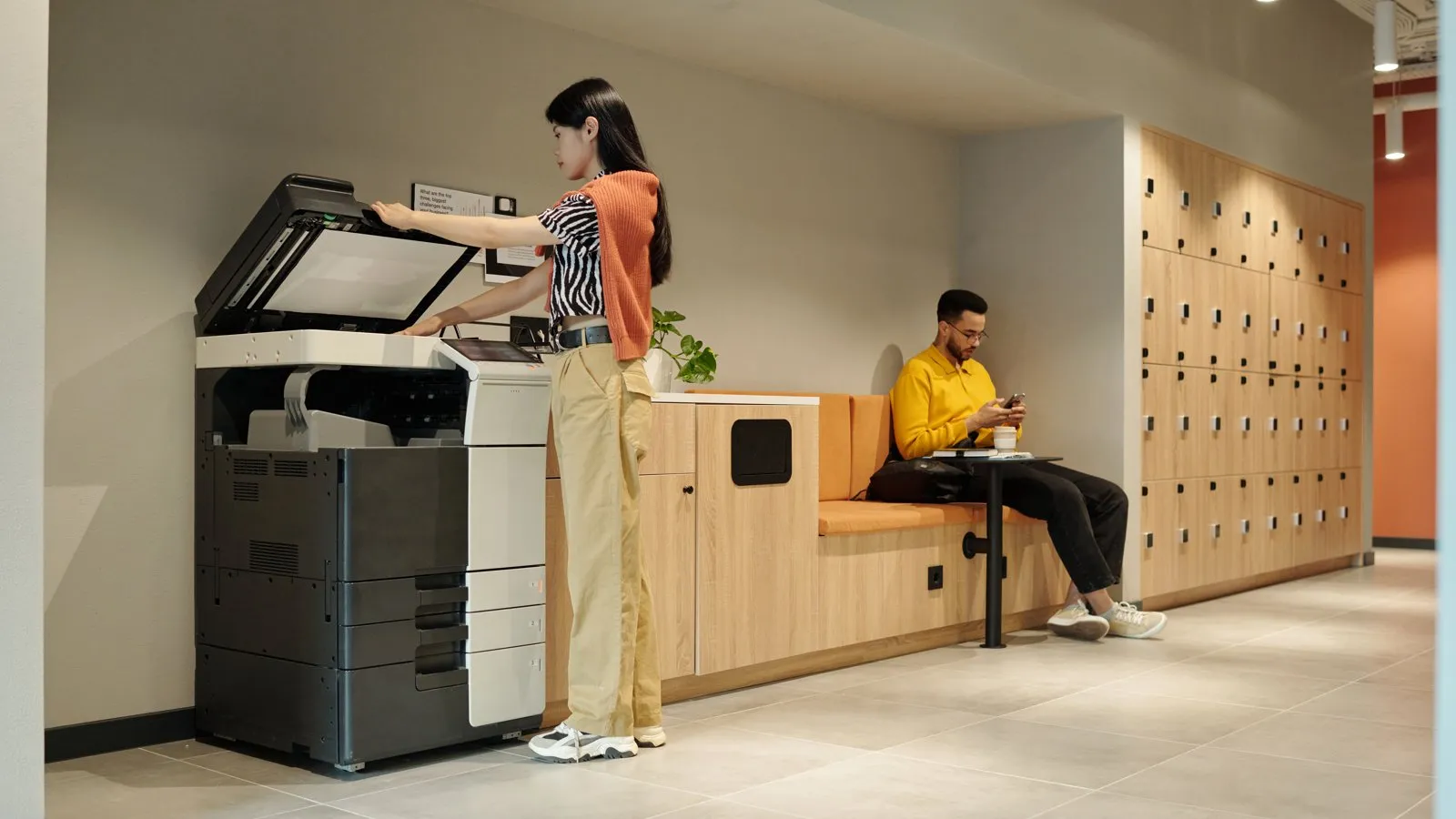
An office message says "the printer has stopped doing the thing." The recipient has to ask which printer, which thing and what the sender saw. The useful information may arrive only after several more messages.
A device help card is a small vocabulary aid for that conversation. It identifies the machine in ordinary language and distinguishes its name from the task someone was trying to do. It is not a troubleshooting guide.
Key takeaways
Give the device a recognizable name and location.
Describe the intended task separately from the observed result.
Keep a help card free of passwords and repair instructions.
A clear description can make the next question more specific.
Step 1: Start with recognition
In a fictional office, "the hallway printer" and "Print-03" might be the same machine. A card can show both labels and a simple location description. That helps colleagues know whether they are discussing the same device.
Google's audience guidance notes that readers do not necessarily share the writer's project knowledge. The technical device label may be familiar to one person while the everyday location name is familiar to another.
Step 2: Keep the task and the observation separate
"I tried to print the sample agenda" names the task. "The first page appeared, but the second did not" describes the result. Neither sentence guesses at the cause.
A small form could have two prompts: "What were you trying to do?" and "What did you see?" These are explanatory fields, not a diagnostic decision tree. They should not tell a reader to restart, update or disassemble the device.
Step 3: Leave the card with a narrow job
The card can point to an existing source of help without copying operating procedures into a new place. Its job ends once the person receiving the description can recognize the device and the question.
Avoid treating the card as a universal fix. It may make the conversation clearer; it cannot establish what is wrong with a machine or whether a particular action is safe.
The broader habit is useful beyond printers: separate the object, the intended task and the observation. When those appear in different sentences, a colleague can ask a better follow-up without first untangling the vocabulary.
Sources for the definitions and writing principles discussed here: Google, Technical Writing One: Audience, last updated March 28, 2025. The examples and suggested discussion formats are illustrative.
Frequently asked questions
Does the card need technical specifications?
Only if they help distinguish the device. A location and recognizable label may be enough for its narrow purpose.
Should it include a list of fixes?
No. That would make it an operating guide, which is a different document.
Can an observation include an error message?
Yes, if it is appropriate to share. The note should preserve the words rather than invent a diagnosis from them.
A practical next step
Try writing a description of one ordinary office device without saying how to repair it. If another colleague can recognize the machine, the card has a useful start. Book a Decision-Clarity Call for help making technology work easier to explain.
Get Board-Ready on AI and Cyber Risk
A 30-minute call. No charge. You'll leave with a clear read on where your oversight stands and what to do about it.
Written by Tyson Martin, NACD.DC
Chief Trust, Security & AI Officer. CISO of record at MIO Partners; former CISO & CTO at Lumber Liquidators and Orvis; advisor to 200+ Fortune 500 boards and C-suites at AWS.
See the track record