
The Server Closet Door: Why Physical Security Is Still Cyber
The firewall is world-class and the server closet door is propped open with a fire extinguisher. Physical access is still the shortest path past every control you own.

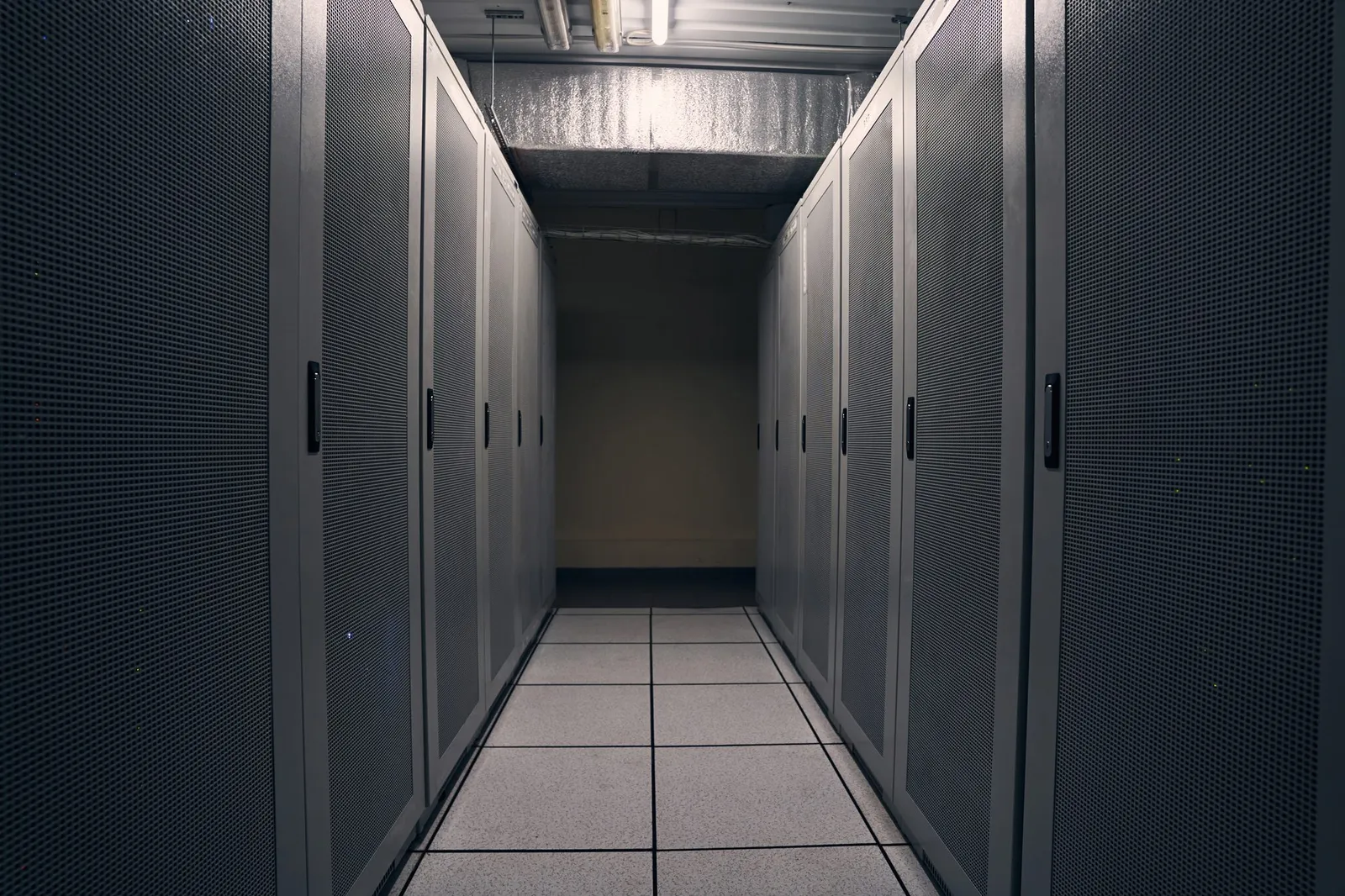
The audit found it in the first ten minutes, as audits always do: the company had endpoint protection, MFA, a monitored firewall - and a server closet that opened with the same key as the supply cabinet, a door propped open during the hot months, and a camera that had been recording over itself since 2022.
Physical security gets filed under 'facilities' while cybersecurity gets filed under 'IT,' and the file cabinet between them is where the risk lives. Anyone who can touch the hardware can bypass most of what the software promises: boot from their own drive, clone the disks, plant the device, walk out with the backup drives.
The good news matches the bad: the physical side of cyber is the cheapest to fix, the fastest to audit, and the easiest to explain to a board. It just has to be somebody's job.
TLDR
Physical access bypasses most software controls; the closet door is a cyber control.
The physical cyber audit is one walk with one checklist: doors, locks, cameras, drives, paper.
The worst findings are always the mundane ones: prop-open doors, shared keys, unwiped retired drives.
Paper is part of the audit: the printer tray and the recycling bin are data stores.
Assign the walk to a named person twice a year; physical security drifts like everything else.
The ten-minute finding
Physical findings share a property: they are all visible on one walk. The closet with the prop-open door. The network cabinet in the hallway anyone can open. The retired server under the desk, still holding last year's customer database. The backup drives stacked beside the system they protect, so the same fire takes both.
Each finding is cheap to fix and expensive to explain after an incident. The pattern to notice is that none of them are technical - they are facilities habits with cyber consequences, which is why they persist: nobody's dashboard measures a door.
The walk takes an hour the first time and twenty minutes after that. It is the highest-yield hour in the assessment calendar.
The checklist for the walk
The walk covers five stations. The server closet or rack: locked, keyed separately, with a list of who holds keys. The network points: hallway cabinets and wall jacks in public areas, closed and locked. The devices: no passwords on sticky notes, screens locking, no mysterious USB drives in the lobby. The drives: retired hardware staged for wiping, backup media stored apart from the systems they protect. And the paper: what is on the printer tray, what is in the recycling.
This fictional example shows one company's first-walk findings. It is an illustration, not a prescription.
| Station | Finding | Fix | Cost |
|---|---|---|---|
| Server closet | Shared key, 14 holders | Re-key, list of 3 | $200 |
| Backup drives | Beside the server | Fire safe, other room | $150 |
| Recycling bin | Customer invoices, intact | Locked shred bin | $30/mo |
| Printer tray | HR documents midday | Pull-printing enabled | $0 |
Paper never left the threat model
The recycling bin finding embarrasses everyone, which is why it keeps happening. The invoice with the bank details, the HR printout, the customer list someone needed for one meeting - paper goes home, goes in the trash, goes to the dumpster behind the building where it answers to no access policy.
The fix is cultural as much as physical: locked shred bins where the printers are, a clean-desk norm stated kindly, and pull-printing - the feature where the job prints when the person is standing there - switched on.
The data-map work in finding where sensitive files live has a physical annex: some of those files are made of paper, and they live wherever paper goes.
Make the walk somebody's job
Physical security fails by ownership, not by difficulty. Put the walk on a calendar - twice a year, one named person, the one-page checklist - and put the findings in the same register as everything else.
The board's version is one question a year: when did someone last walk the physical side, and what did they find? The answer costs nothing to produce and reveals the category's health instantly.
The office move and the renovation are the drift events: every physical control resets when the space changes. The walk after the move is the one that finds the cabinet the movers left unlocked.
The related discussion of finding where sensitive files live is worth your time alongside this one. The related discussion of assessment calendar is worth your time alongside this one.
Frequently asked questions
We are fully cloud - do we still need the walk?
Yes, with a shorter list. Your servers left, but your people, laptops, network gear, and paper did not. The closet becomes the network cabinet, and the printer tray and recycling bin keep their starring roles.
What about cameras?
Useful for the after-the-fact question and as a deterrent, but check the boring parts: that they record, that they keep footage long enough to matter, and that someone could actually retrieve it. A camera nobody can pull video from is set decoration.
How do we handle visitors and vendors?
Signed in, badged, and accompanied in the spaces that matter - which mostly means not alone in the closet or at an unlocked workstation. The visitor log is a control; the honor-system clipboard is a gesture.
A Defensible Next Step
Take the walk this week: five stations, one checklist, one hour. The findings will be cheap, embarrassing, and immediately fixable - the best kind there are. Book a Decision-Clarity Call if you want the checklist tailored to your space.
Get Board-Ready on AI and Cyber Risk
A 30-minute call. No charge. You'll leave with a clear read on where your oversight stands and what to do about it.
Written by Tyson Martin, NACD.DC
Chief Trust, Security & AI Officer. CISO of record at MIO Partners; former CISO & CTO at Lumber Liquidators and Orvis; advisor to 200+ Fortune 500 boards and C-suites at AWS.
See the track record

