
Closed for the Season: Explain What the Website Message Means
A seasonal business can be closed to visitors while still sharing information. Clear wording separates opening dates, contact expectations and background information.

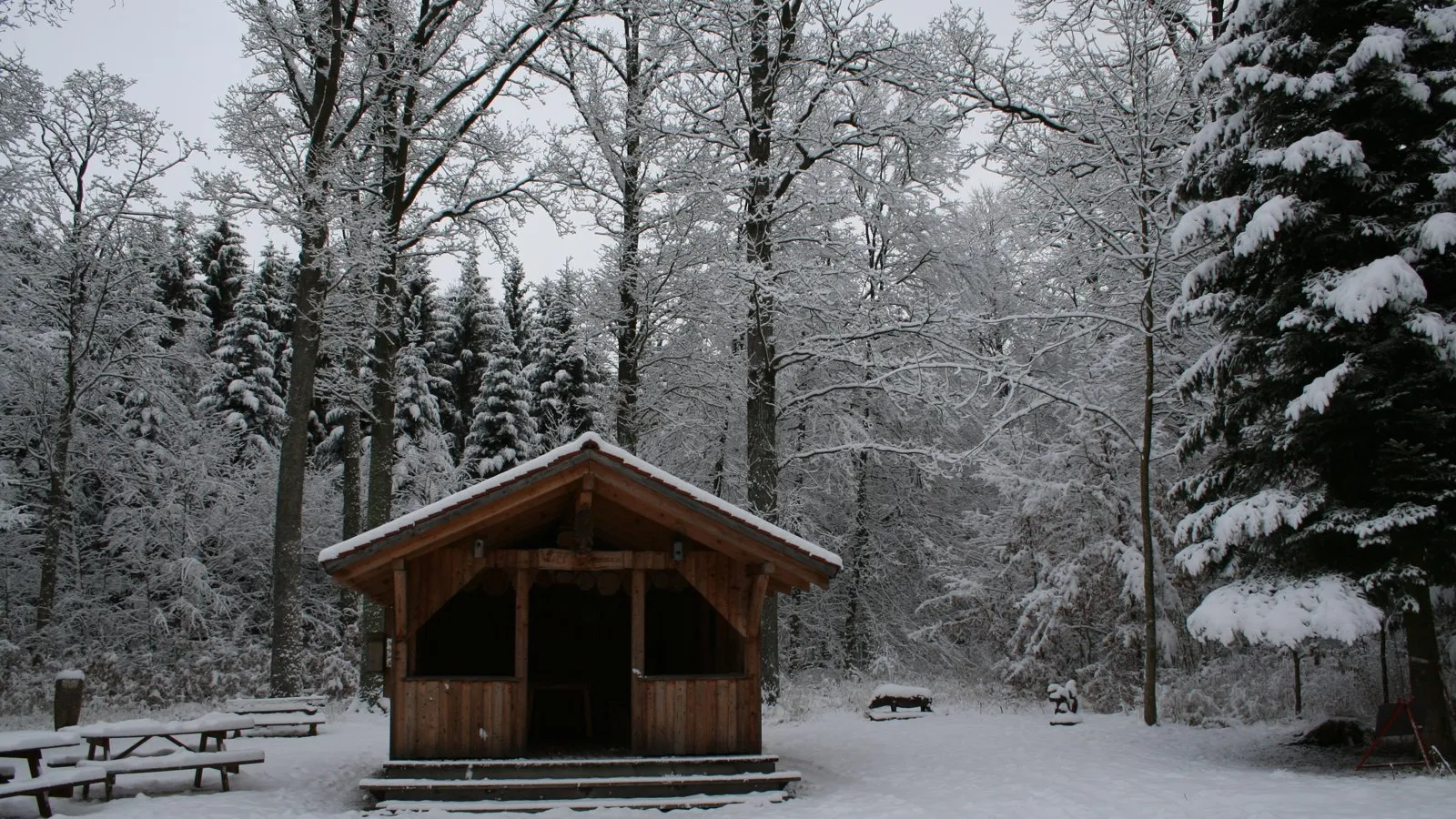
A seasonal business page says "closed." The reader still has a question: closed today, closed until spring, or no longer operating? One familiar word has to carry several possible meanings.
For a fictional Maine camp or coastal shop, the off-season is a useful setting for a writing exercise. The page can explain what the word means in that example without turning into a guide to winter operations.
TLDR
Closed needs a timeframe and a subject.
Information about visiting is different from information about contact.
A specific date is clearer than a seasonal phrase when the date is known.
A fictional sample should not look like an actual business announcement.
Separate the questions a reader might ask
In the fictional camp example, "Are visits available?" and "Where can I read about next season?" are different questions. A single closed label may answer neither fully.
Google's audience guidance starts by identifying what the reader needs to learn. For this page, that could be the meaning of the off-season notice, the period it describes and where explanatory information sits.
Use a reference point instead of a floating season
"Opening in spring" may be adequate when the precise date is not known. If a fictional example supplies a date, the notice can show it explicitly. The writer should not invent precision simply to make the sentence tidy.
The same applies to contact wording. "Messages are checked during the off-season" is a claim about a practice, not decorative reassurance. In a real announcement, the author would need a basis for that claim. An example can instead show a clearly marked placeholder for the relevant information.
Keep the sample visibly fictional
An illustrative notice might read: "Fictional example: visitor sessions are paused for the season. A reopening date has not been announced in this sample." It explains the state without pretending to speak for a real business.
That wording is intentionally limited. It does not tell an operator how to shut systems down, protect a property or handle reservations. It shows how separating a subject from a timeframe can make an ordinary website sentence clearer.
The Maine setting supplies a recognizable seasonal context, not a claim about every Maine business or the date winter arrives. A useful local example does not need to turn a regional image into a regional generalization.
Sources for the definitions and writing principles discussed here: Google, Technical Writing One: Audience, last updated March 28, 2025. The examples and suggested discussion formats are illustrative.
Frequently asked questions
Should a page give a reopening date before it is known?
No. The wording can say that a date has not yet been announced rather than invent one.
Does closed mean nobody receives messages?
Not necessarily. Those are different statements and should be explained separately if relevant.
Is this an operations checklist for a seasonal business?
No. It is a writing example about the meaning of an off-season notice.
A practical next step
Read a sample closed-for-the-season notice as a first-time visitor. Identify which question it answers and which question it leaves open. Book a Decision-Clarity Call for help making technology work easier to explain.
Get Board-Ready on AI and Cyber Risk
A 30-minute call. No charge. You'll leave with a clear read on where your oversight stands and what to do about it.
Written by Tyson Martin, NACD.DC
Chief Trust, Security & AI Officer. CISO of record at MIO Partners; former CISO & CTO at Lumber Liquidators and Orvis; advisor to 200+ Fortune 500 boards and C-suites at AWS.
See the track record