What Belongs on the Board's Version of the Technology Risk Register
Management tracks a hundred technology risks. The board needs ten. A board-level register with trend, appetite status, owner and decision requested.

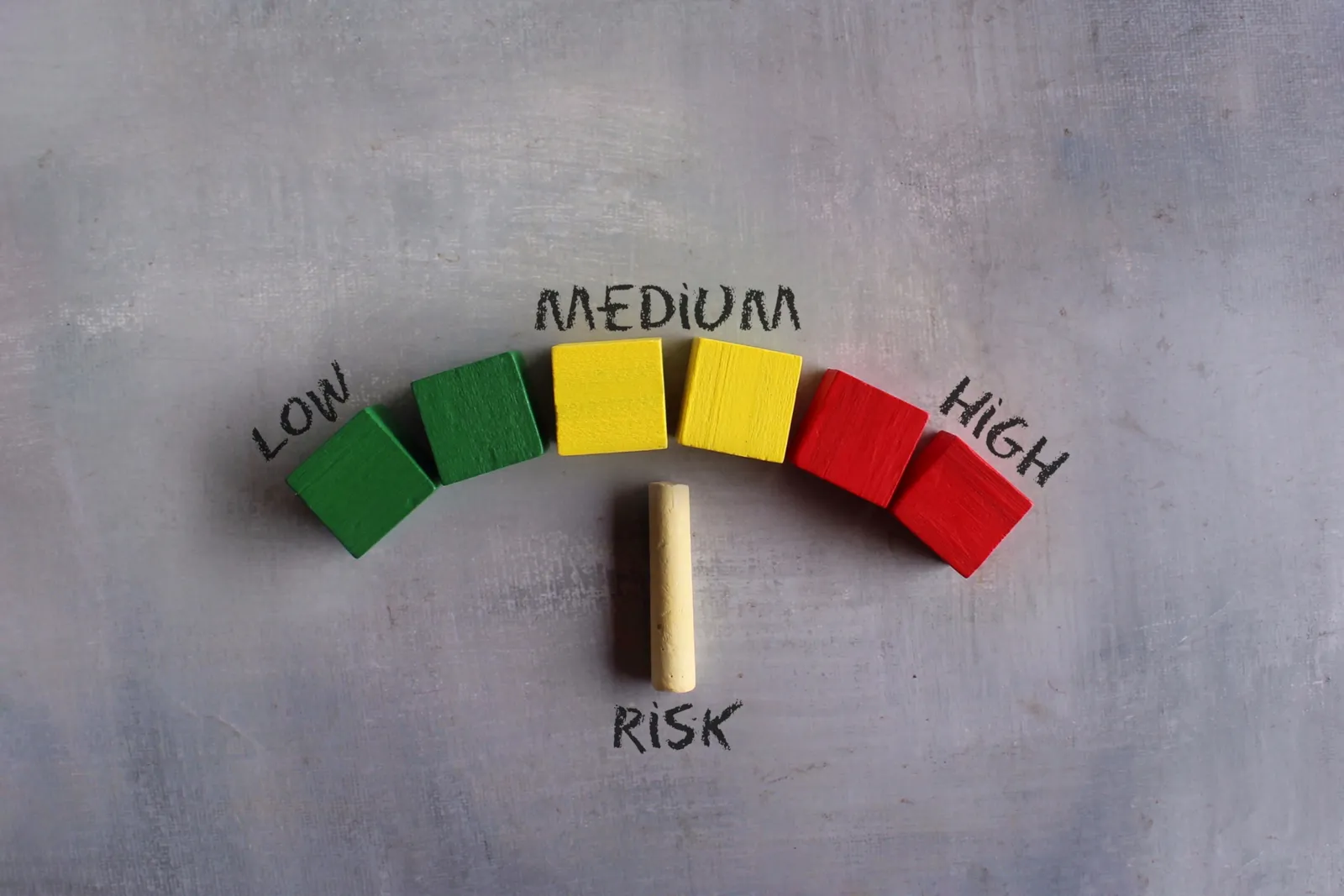
Management's technology risk register can run to hundreds of rows. It is thorough, necessary and nearly useless in a boardroom. Directors cannot weigh a hundred items, so they skim, and the risks that matter get the same attention as the ones that do not.
The board needs its own version: a short list of the technology risks that could change the company's direction, with a clear view of whether each is getting better or worse and what decision, if any, is being asked of the board.
Ten rows is a good target. Fewer is fine. More is a sign the list has not been edited.
TLDR
The board's register is a short edit of management's, not a copy.
Aim for about ten risks, each with a trend and an owner.
Show appetite status so directors see where the company is outside its comfort.
Every row should say what decision, if any, the board is being asked to make.
Update it every quarter and let rows leave when they stop mattering.
Why management's register does not work for a board
A management register is built for tracking. It is sorted by system or team, scored by a method few directors know, and updated constantly. That is right for operations.
A board needs something different: an editorial view. NIST's guidance on integrating cybersecurity with enterprise risk management, IR 8286, makes a similar point. It says directors and senior leaders need a clear understanding of cybersecurity risk posture, and it describes how risk registers can feed enterprise-level governance oversight.
A board-level register template
Each row needs five things. The rows below are illustrative.
| Risk (illustrative) | Trend | Appetite status | Owner | Decision requested |
|---|---|---|---|---|
| Loss of the order system for more than a day | Worsening | Outside appetite | CTO | Approve funding for staged replacement |
| Dependence on one cloud provider for all revenue | Stable | Within appetite | CIO | None this quarter |
| Key-person risk in the data team | Improving | Within appetite | Head of Data | None; update next quarter |
| Customer data exposed through a vendor | Worsening | Outside appetite | CISO | Endorse tighter vendor requirements |
Trend tells directors the direction. Appetite status tells them whether the risk is acceptable under the board's own stated tolerance. The decision column keeps the register from becoming a reading exercise.
How to choose the ten
Start with management's register and ask three questions of each risk. Could it change the company's strategy or financial position? Is it getting worse? Does the board need to decide something about it?
A yes to any of those earns a seat. Everything else stays in management's register, where it is still tracked and reviewed.
Keep it moving
A register that never changes becomes wallpaper. Retire rows that no longer matter and add new ones as the business changes. A short note on why each change happened keeps the record honest.
For the wider structure of board oversight, see a clear framework for board cyber risk oversight.
Frequently asked questions
How many risks should a board register hold?
About ten. The number matters less than the editing. Every row should earn its place by affecting strategy, getting worse, or needing a board decision.
What is appetite status?
A simple label showing whether a risk sits inside or outside the level the board has said it is willing to accept. It turns a score into a judgment.
Who prepares the board's register?
Management, usually the CTO or CIO with the CISO and risk team, edited from the full register and reviewed by the CEO before it reaches directors.
How often should it be updated?
Every quarter, with an interim update if a major event changes a trend or breaks appetite.
A Defensible Next Step
Ask management to produce the board's ten from the full register before the next meeting, using the five columns above. The first version will be rough. It will still be more useful than the hundred-row version. Book a Decision-Clarity Call if you would like help with the edit.
Get Board-Ready on AI and Cyber Risk
A 30-minute call. No charge. You'll leave with a clear read on where your oversight stands and what to do about it.
Written by Tyson Martin, NACD.DC
Chief Trust, Security & AI Officer. CISO of record at MIO Partners; former CISO & CTO at Lumber Liquidators and Orvis; advisor to 200+ Fortune 500 boards and C-suites at AWS.
See the track record